8 Best AI Tools for HR Teams and Professionals in 2026
This guide highlights eight of the best AI tools for HR in 2026, organized by the functions they support most: recruitment, onboarding, employee engagement, and payroll.
By Favour Etinosa Ogie
July 21, 2026
10 min read
HR teams are busy. Not in a glamorous, strategic way, but buried under stacks of resumes, onboarding paperwork, payroll runs, recruitment strategies and engagement surveys that rarely get the time they deserve.
According to research, HR professionals spend more than half their workday on administrative tasks. This is work that artificial intelligence can now handle, and increasingly does.
If these are the kinds of roadblocks slowing your team down, it may be time to rethink your HR tech stack.
This guide highlights eight of the best AI tools for HR in 2026, organized by the functions they support most: recruitment, onboarding, employee engagement, and payroll.
Quick Answer: What Are the Best AI Tools for HR in 2026?
Recruitment and Pre-Screening: TestTrick, Testlify
Onboarding: BambooHR, Sapling
Employee Engagement: Lattice, Culture Amp
Payroll and HR Operations: Gusto, Deel
These HR platforms automate hiring workflows, streamline onboarding, track engagement, and simplify payroll. They help HR teams spend more time on strategic work.
Comparison Table: Best AI Tools for HR in 2026
| Tool | Category | Best For | Key AI Features | Pricing |
|---|---|---|---|---|
| TestTrick | Recruitment | AI candidate screening and AI recruiting | Pre-hire tests, automated ranking | From $49/mo |
| Testlify | Recruitment | Video interview AI analysis | Video screening, candidate analytics | Custom |
| CultureMonkey | Employee engagement | AI-powered employee listening and action planning | Sentiment analysis, feedback themes, engagement insights, manager action planning | Custom pricing |
| Culture Amp | Engagement | Employee feedback analysis | AI sentiment analysis | Custom |
| BambooHR | Onboarding | HR workflow automation | AI onboarding workflows | From $10/mo (for one employee) |
| Sapling | Onboarding | Structured onboarding | Automated employee lifecycle | Custom |
| Gusto | Payroll | Payroll automation | AI compliance & payroll processing | From $49/mo + $6/employee |
| Deel | Payroll | Global payroll | AI compliance and global hiring | From $599/employee/mo |
Best AI Tools for Recruitment and Pre-Screening
1. TestTrick
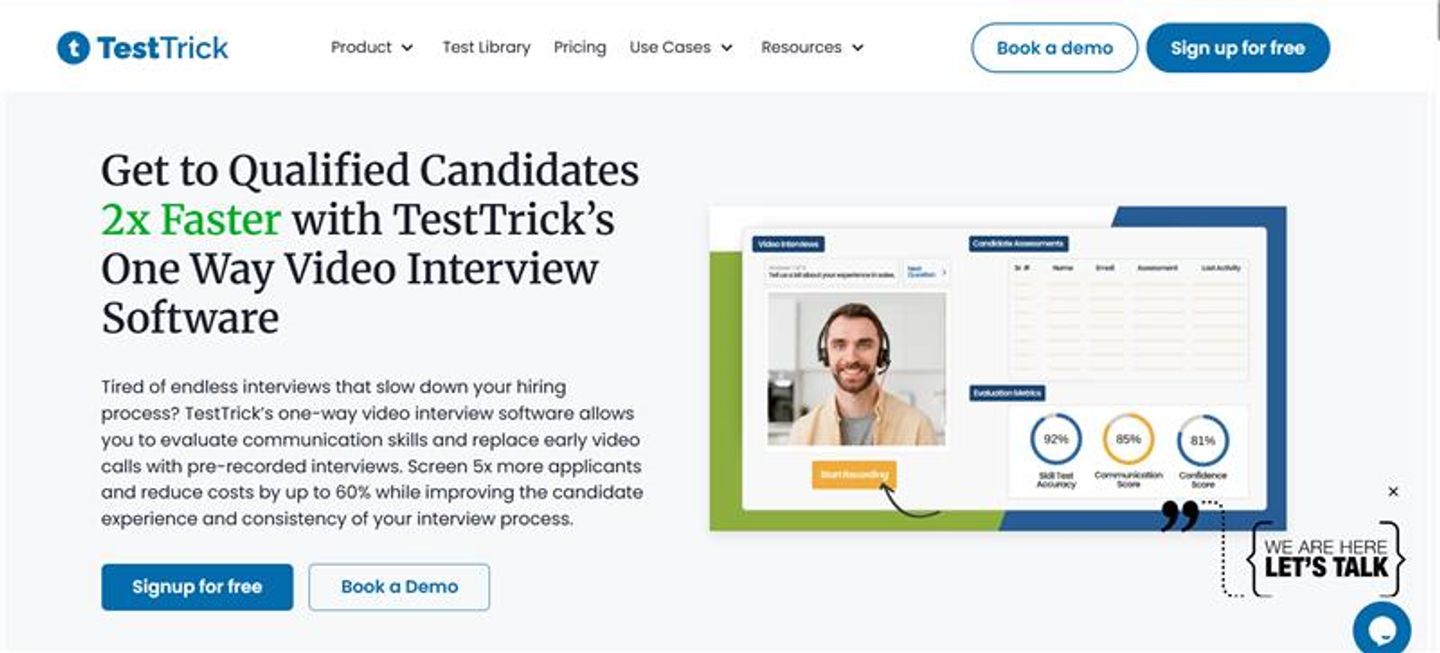
Best for: AI-powered candidate screening and pre-employment testing
It is an AI-powered pre-employment assessment platform that helps HR teams evaluate candidates before they reach the interview stage.
Instead of relying only on resumes, candidates complete structured assessments that measure the skills and cognitive abilities needed for the role. TestTrick’s AI recruiting features then automatically scores candidate fit based on their results, giving recruiters a prioritized shortlist instead of a long list of applicants.
In practice, this speeds up the early stages of hiring. Recruiters spend less time screening and more time focusing on the candidates most likely to succeed.
Key Features
- AI-powered skills assessments across technical and non-technical roles
- Cognitive aptitude, personality, and psychometric tests
- Automated candidate ranking and shortlisting
- One-way video interview tool
- Analytics dashboards for side-by-side candidate comparison
- ATS integrations
Pros
- Genuinely reduces time-to-screen
- Makes hiring criteria more consistent across the team
- Gives candidates a fair shot regardless of how polished their resume looks
- Transparent, tiered pricing with no enterprise-only gating
Cons
- May feel feature-rich for teams hiring only occasionally
- Works best when evaluation criteria are clearly defined upfront
- Structured assessments may require adjustment for teams used to informal interviews
Pricing
- Starter: $49/month for 50 candidates
- Basic: $75/month for 100 candidates
- Business: $99/month for 150 candidates
- Enterprise: Custom pricing
2. Testlify
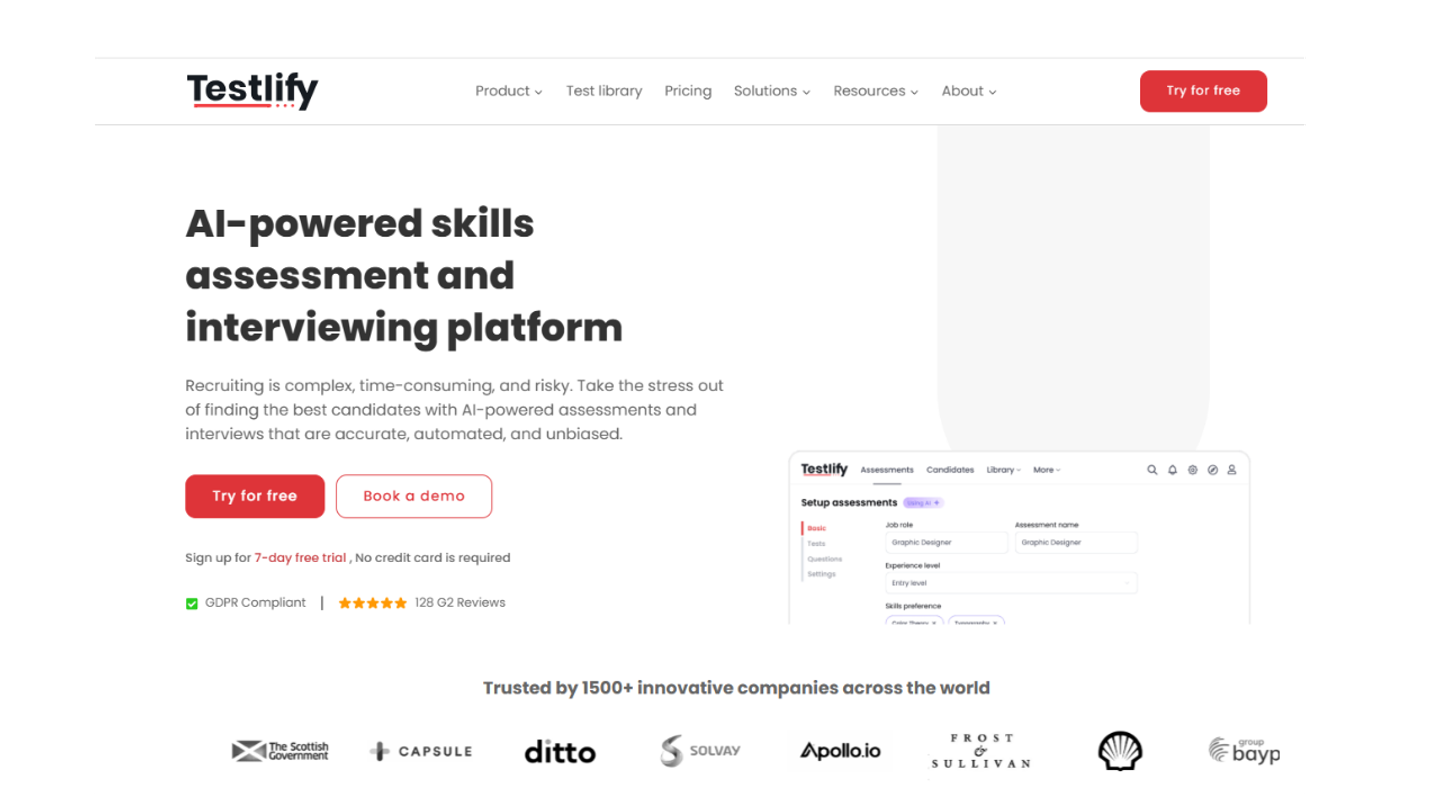
Best for: AI-native skills assessments and structured candidate evaluation across hiring at scale
Testlify is an AI-native skills assessment and interviewing platform built for modern recruitment and learning and development teams. It helps organizations hire and upskill with more confidence by combining scientifically validated assessments, role-based skill tests, on-job simulations, and AI-powered interviews in one unified platform.
Instead of relying only on resumes and unstructured screening, teams can use Testlify to evaluate candidates through job-relevant assessments, simulations, and coding environments while maintaining consistency, speed, and fairness across the hiring process.
The platform also supports structured evaluation workflows, helping recruiters reduce time-to-hire, improve hiring quality, and deliver a smoother experience for both candidates and hiring teams.
Key Features
- 3,500+ assessments covering 5,000+ job roles and skills across technical and non-technical domains
- AI resume parser
- 25+ advanced question types, including simulations for MS Office, Google Workspace, typing tests, live coding, and more
- 20+ proctoring and anti-cheating features for secure and credible evaluations
- Live coding platform supporting 45+ programming languages
- Multilingual support across 15+ languages for global hiring
- 100+ ATS integrations, including Workday, SAP SuccessFactors, Lever, and other major HR systems
- Developer-first architecture with SSO/SAML support, APIs, and webhook access for custom integrations
Pros
- Large assessment library across technical and non-technical roles
- Strong proctoring, simulation, and live coding capabilities
- Suitable for both hiring and upskilling workflows
- Broad ATS integration coverage and enterprise-ready customization
Cons
- Can be more feature-rich than necessary for teams with very simple hiring needs
- Usage-based candidate pricing may require planning for fast-scaling teams
Pricing: Testlify offers flexible monthly and yearly plans starting at $99/month. All plans include full feature access, with pricing based on the number of candidates invited to assessments. Unlimited credit plans are available for high-volume hiring needs.
Best AI Tools for Employee Engagement and Better Employee Experience
3. CultureMonkey
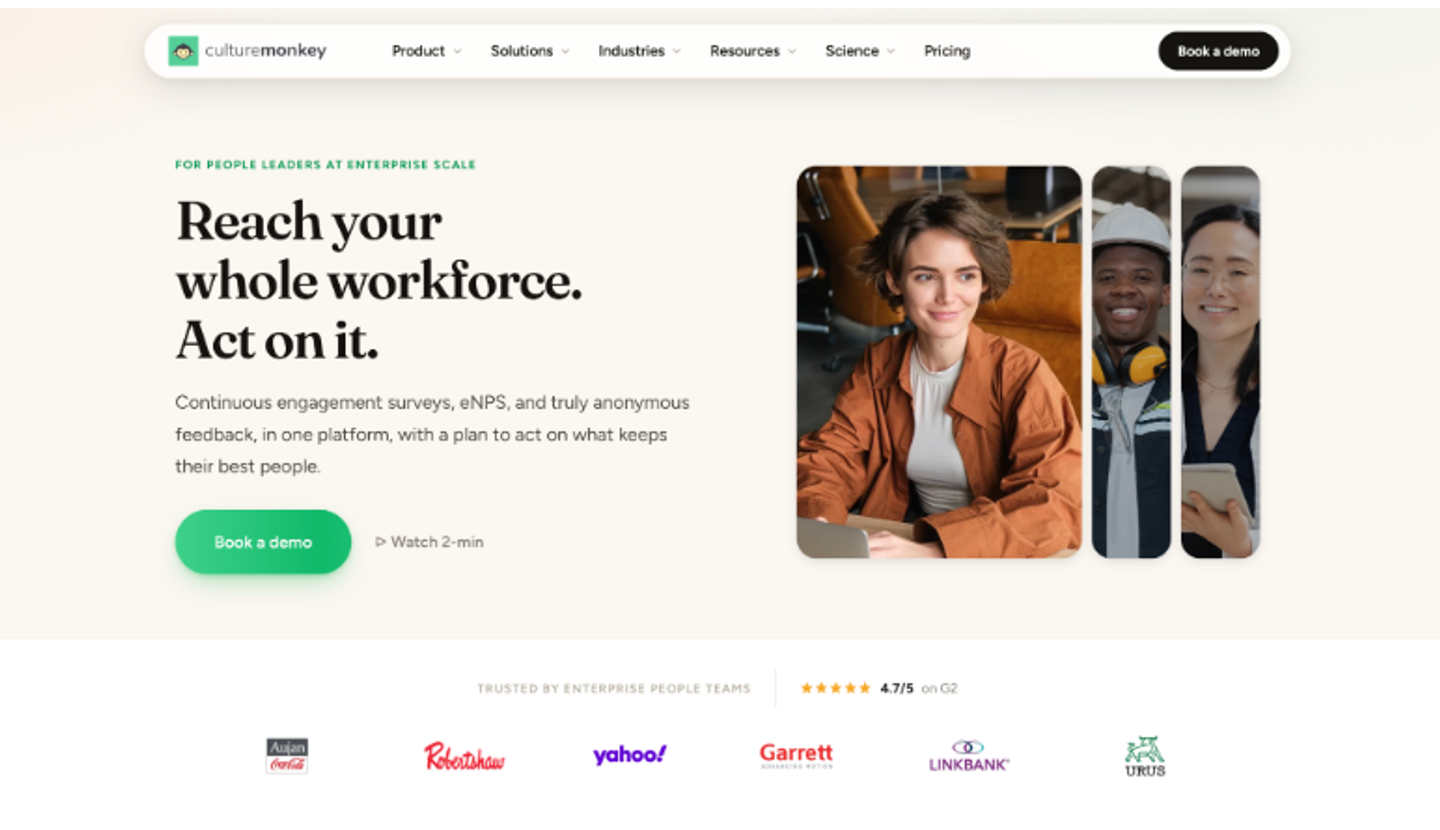
Best for: AI-powered employee listening, engagement analysis, and action planning across global and distributed teams
CultureMonkey is an enterprise employee engagement software platform built for HR and People Ops teams that want to collect employee feedback, understand workforce sentiment, and turn insights into measurable action. The platform brings engagement surveys, pulse surveys, eNPS, lifecycle surveys, and anonymous feedback programs into one centralized system.
Instead of relying on annual surveys and manually reviewing large volumes of responses, teams can use CultureMonkey’s AI-powered sentiment analysis and engagement analytics to identify recurring themes, emerging concerns, and the workplace factors influencing engagement and retention.
The platform also supports manager dashboards and structured action planning workflows, helping organizations move beyond collecting feedback and ensure that managers respond to survey findings. Multilingual and omni-channel survey distribution makes CultureMonkey suitable for enterprise, hybrid, frontline, and multi-location workforces.
Key Features:
- 50+ customizable templates for engagement, pulse, eNPS, onboarding, lifecycle, and exit surveys
- AI-powered sentiment analysis for identifying themes, emotions, and employee experience trends
- Anonymous feedback with configurable confidentiality thresholds for safer employee participation
- Multilingual survey support across 100+ languages for global workforces
- Omni-channel distribution through email, Slack, Microsoft Teams, WhatsApp, text messages, QR codes, and kiosks
- Manager dashboards, heatmaps, benchmarks, and customizable reports for targeted analysis
- Action planning workflows that help managers assign priorities, track progress, and respond to feedback
- HRIS integrations with Workday, SAP SuccessFactors, ADP, Darwinbox, and other major HR platforms
Pros:
- Strong employee listening and AI-powered analysis capabilities
- Suitable for global, frontline, and distributed organizations
- Extensive multilingual and omni-channel survey support
- Connects survey insights directly with manager action planning
Cons:
- The platform may offer more functionality than very small teams need for occasional surveys
Pricing: CultureMonkey offers custom pricing based on organizational size, survey requirements, and selected capabilities.
4. Culture Amp
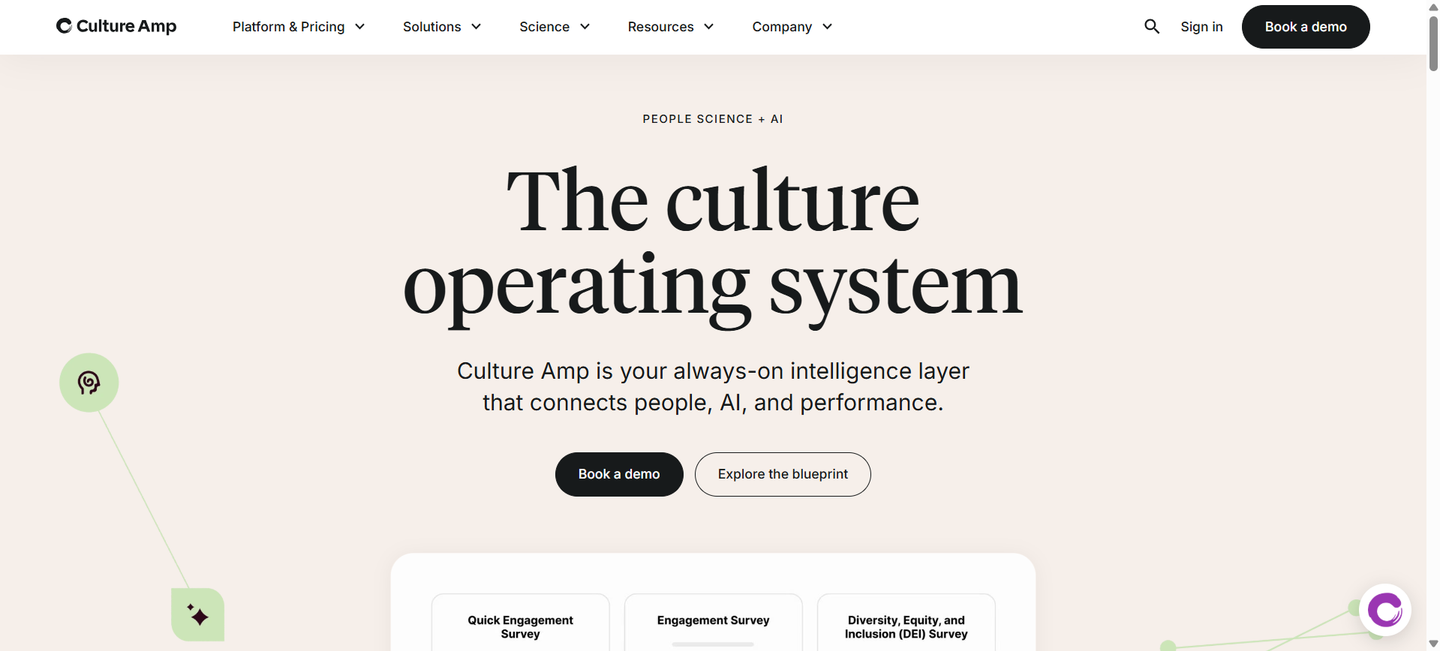
Best for: AI sentiment analysis for employee feedback and engagement benchmarking
Culture Amp is built around the idea that employee feedback is only useful if you know what to do with it. The platform's AI does the heavy lifting on sentiment analysis.
It turns open-ended survey responses into themes and patterns that HR teams can act on to improve the employee experience. Its benchmarking data, drawn from thousands of companies, is particularly valuable for putting your own scores in context.
Key Features:
- Employee engagement surveys with artificial intelligence sentiment analysis
- Benchmarking against industry and company-size peers
- Action planning tools tied directly to survey results
- DEI analytics and reporting
- Performance reviews and goal tracking
- Manager coaching resources informed by feedback data
Pros:
- Industry benchmarking is genuinely differentiated, and few platforms do it better
- AI analysis of open-ended feedback saves significant manual review time
- Strong DEI analytics for teams prioritizing diversity reporting
Cons:
- Entry-level packages lack live support and some HRIS integrations
- Costs can be hard to justify for smaller organizations
- The platform surfaces insights well, but if leadership doesn't act on them, employees disengage from surveys
- Learning curve for new HR administrators
Pricing: Culture Amp uses custom pricing, so there is no publicly available data. Pricing varies by plan (Engage, Perform, Develop, People Analytics) and company size. No publicly listed starting price, so you'll need to start with a sales conversation.
Best AI Tools for Employee Onboarding
5. BambooHR
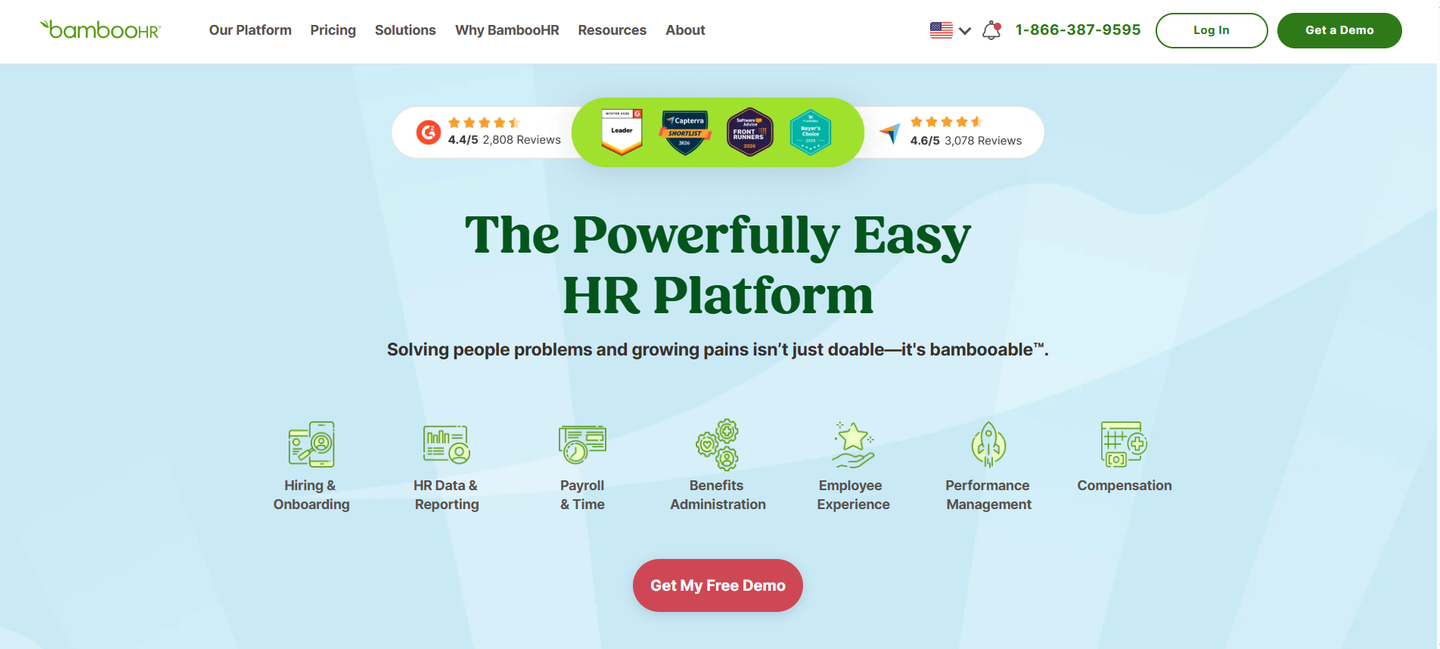
Best for: Automated onboarding workflows and all-in-one HR management
BambooHR has been a staple in small and mid-sized HR departments for years. Its onboarding automation is one of the reasons why.
The platform lets you build custom onboarding checklists and workflows that trigger automatically when a new hire is added to the system.
Tasks get assigned to the right people. Documents go out for e-signature. New hires have a clear path through their first weeks without HR manually coordinating every step.
Key Features:
- Customizable onboarding workflows and checklists
- E-signature and document management
- Employee self-service portal
- Time and PTO tracking
- AI-assisted HR chatbot (Ask BambooHR)
- Reporting and compliance dashboards
- 150+ third-party integrations (payroll, ATS, benefits)
Pros:
- Scales reasonably from 10 to 1,000+ employees
- Solid all-in-one platform for SMBs that don't want multiple tools
- 7-day free trial available
Cons:
- AI features are relatively lightweight compared to specialized platforms
- Some advanced reporting and performance tools are locked behind higher-tier plans
Pricing:
- Pricing starts with the Core plan at $10 per employee per month and includes features like HR data and reporting, hiring and onboarding, and AI assistance.
- Pro starts at $17 per employee per month and includes everything in Core, with additional features like performance management.
- Finally, we have Elite that starts at $25 per employee. Add-ons for payroll, time tracking, and benefits administration are priced separately.
6. Sapling (by Kallidus)
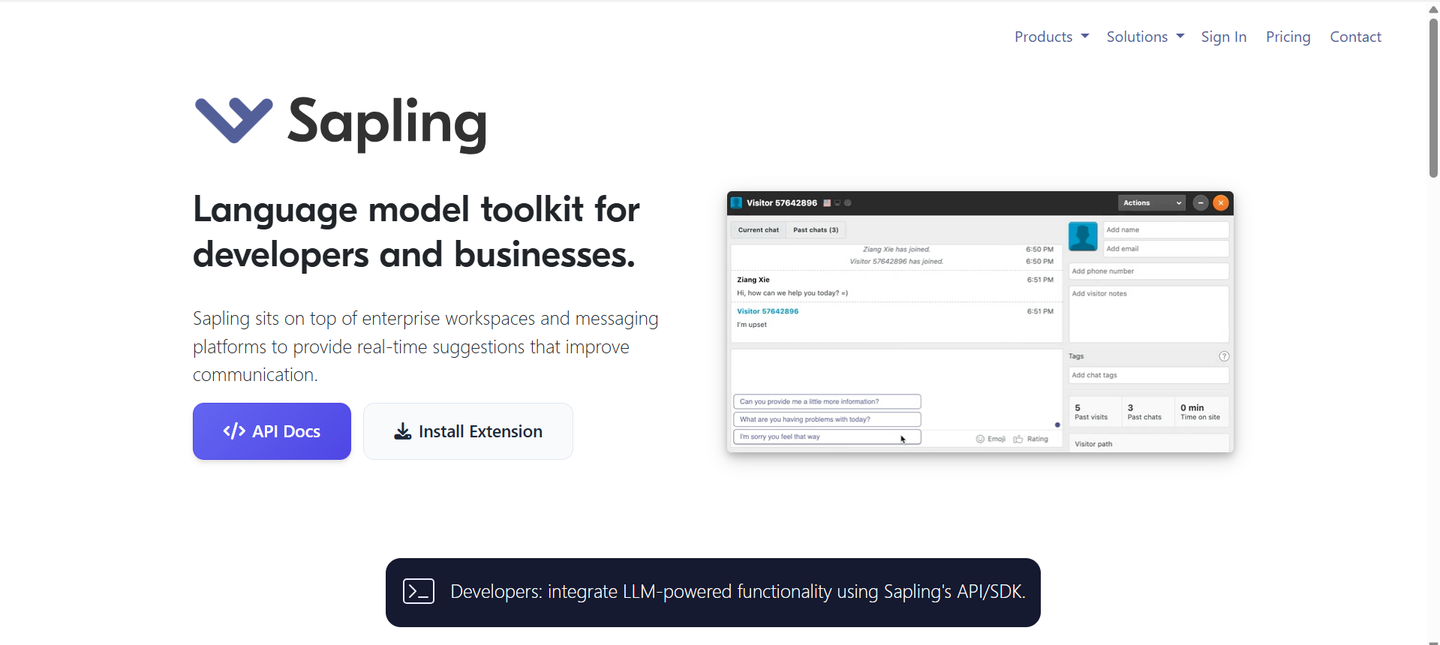
Best for: Structured onboarding automation across complex org structures
Sapling (now part of Kallidus) focuses on the full employee lifecycle, from offer acceptance through offboarding. Its onboarding module is particularly strong for companies with multiple employee types, departments, or locations. HR teams can build onboarding tracks that vary by role, and the system routes tasks automatically.
Key Features:
- Multi-track onboarding workflows by role, department, or location
- Document management and e-signatures
- Manager task automation
- Employee data management and lifecycle tracking
- HRIS and payroll system integrations
- AI-assisted workflow optimization
Pros:
- Excellent workflow flexibility for complex org structures
- Strong employee lifecycle management beyond just onboarding that improves the employee experience
- Reduces manager burden through automated task routing
Cons:
- Setup investment is significant, and it's better suited for mid-market and enterprise
- May be more complexity than small teams need
- Less name recognition than BambooHR, with fewer publicly available reviews
Pricing: Custom pricing. Contact Sapling/Kallidus directly for a quote. Generally positioned for mid-market and enterprise buyers.
Best AI Tools for Payroll and HR Operations
7. Gusto
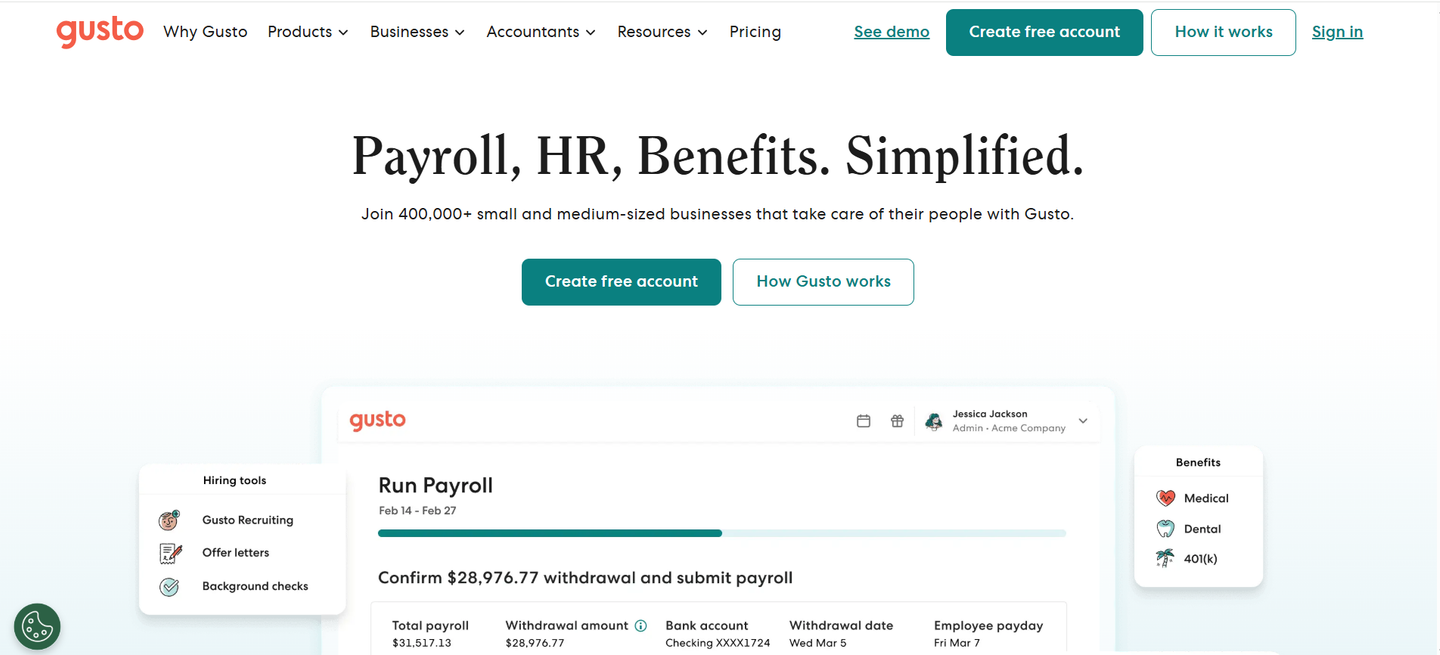
Best for: AI-powered payroll automation for small and mid-sized businesses
Gusto has built a strong reputation by making payroll genuinely easy for companies that don't have a dedicated payroll specialist on staff. The platform handles federal, state, and local tax filings automatically, runs payroll on schedule, and flags potential compliance issues before they become problems.
Its AI layer monitors regulatory changes and automatically updates tax tables and filing requirements in the background.
Key Features:
- Full-service payroll with unlimited payroll runs
- Automated federal, state, and local tax filing
- Benefits management (health, dental, vision, 401k, FSA/HSA)
- Time and attendance tracking
- Employee self-service portal with employee support tools
- Basic onboarding and HR document tools
- Workforce cost reporting and labor analytics
Pros:
- Transparent, predictable pricing with no contracts required
- Excellent for teams of 2 to ~100 employees
- Genuinely easy to use, and most customers complete payroll in under 15 minutes
- Strong compliance automation for multi-state teams
Cons:
- US-only for domestic payroll (EOR partnership with Remote for international)
- Lower-tier plans lack multi-state payroll and next-day direct deposit
- Add-ons (time tracking, performance, priority support) can push the simple plan costs well above $100/month
- Less suited for companies scaling past 200 employees
Pricing:
- Simple: $49/month base + $6/employee/month (single-state payroll, basic HR)
- Plus: $80/month base + $12/employee/month (multi-state, time tracking, next-day deposits)
- Premium: $180/month base + $22/employee/month (dedicated support, advanced HR)
- Contractor-only: $35/month + $6/contractor/month
- For solo payment: $49/for self/month
8. Deel
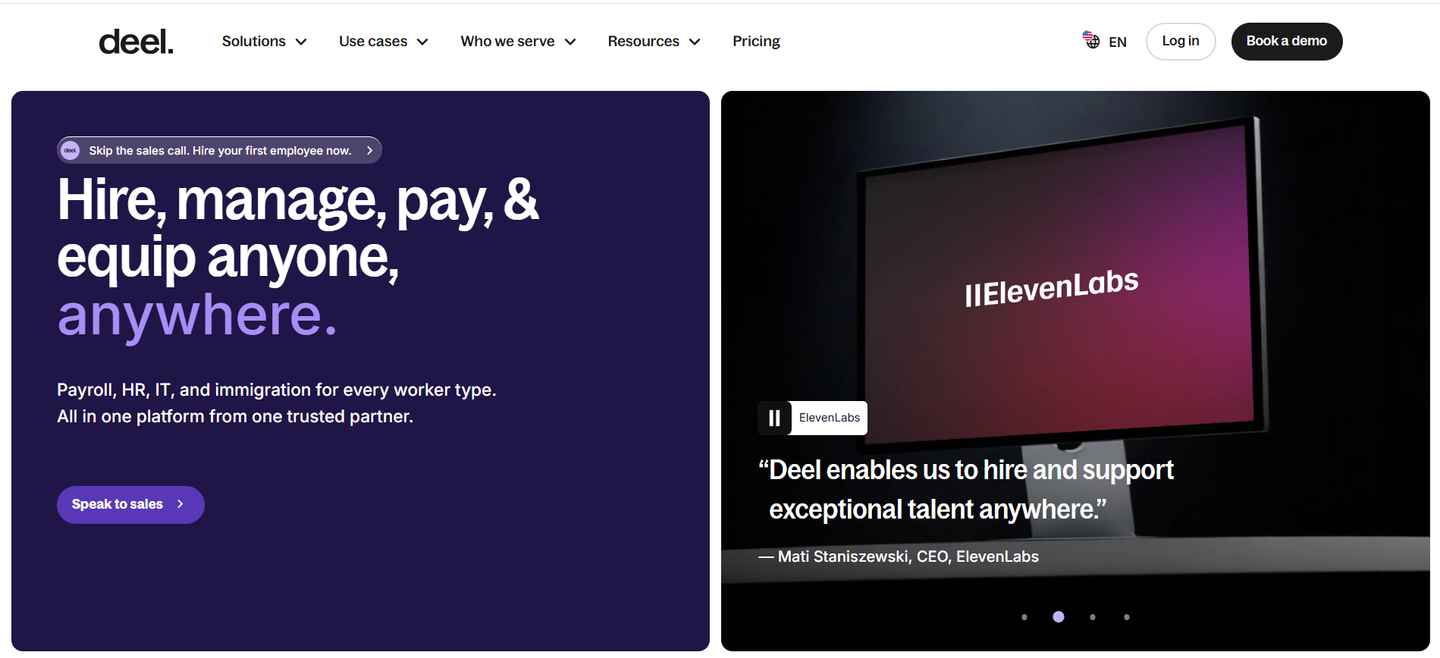
Best for: Global payroll and international compliance
Deel solves a problem that's becoming more common: global employment without the infrastructure it usually requires. Hiring people in multiple countries without setting up legal entities in each one used to mean serious legal and compliance exposure.
Deel acts as an employer of record in 150+ countries, handling local payroll, compliance, benefits, and contracts. Its artificial intelligence compliance engine monitors local employment regulations and flags when contracts or pay practices need updating.
This is exactly the kind of guardrail that prevents expensive mistakes when your workforce management spans borders.
Key Features:
- Global payroll in 150+ countries across 120+ currencies
- Employer of Record (EOR) services, where Deel becomes the legal employer
- Contractor management with locally compliant contracts
Pros:
- Genuinely comprehensive coverage that's hard to match at this scale
- Transparent pricing structure across different service tiers
- Integrates with major HRIS platforms, reducing implementation friction
- Consolidates contracts, compliance, payroll, and benefits in one platform
Cons:
- EOR pricing is among the highest in the market at $599/employee/month
- Total cost escalates quickly for multi-country teams with varying statutory benefits
- Not the most cost-effective option for pure US payroll
- Customer support quality issues reported by some users at scale
Pricing: Deel prices by service type, not a single flat plan:
- US Payroll: $24/employee/month
- Global Payroll (own entity): $29/employee/month
- Contractor Management: $49/contractor/month
- US PEO: $89–95/employee/month
- Employer of Record (EOR): $599/employee/month
- Deel HR (HRIS): No free tier available; paid modules priced separately
FAQ
What are AI tools for HR?
AI tools for HR are software platforms that use machine learning, natural language processing, and predictive analytics to automate or improve HR management processes. That covers a wide range: screening resumes with pre-employment testing, analyzing interview responses, running payroll, collecting employee feedback, and surfacing engagement risks.
How does AI improve recruitment?
AI recruiting tools improve recruitment by handling the volume problem. Most HR professionals can't thoroughly review every application they receive, which means qualified candidates get missed. AI tools handle candidate sourcing, apply consistent criteria across all applicants, automate candidate fit scoring, and flag the ones worth a closer look.
Choosing the Right AI HR Tool
AI is changing how HR teams operate, but not all at once and not in the same way for every company. The tools that matter most depend on where your team is losing the most time and trust.
For most organizations, recruitment is the best place to start, as faster screening, fairer evaluations, and a better candidate experience lead to stronger hiring outcomes.
If your priority is recruiting faster and identifying top candidates earlier in the process, TestTrick is worth a closer look.
Its AI-powered pre-employment assessments and automated candidate scoring help recruiting teams spend less time screening and more time hiring the right people. Plans start at $49/month with a 7-day free trial.
Build a Hiring-Ready Assessment
Create role-specific, anti-cheat assessments and shortlist candidates on evidence, not guesswork.
Start for freeBy Favour Etinosa Ogie
July 21, 2026
10 min read
Build a Hiring-Ready Assessment
Create role-specific, anti-cheat assessments and shortlist candidates on evidence, not guesswork.
Start for free